
 »
»
The power of texture: adding depth to your interiors
21 August 2024
Texture is a vital, though often overlooked aspect of interior design.
It is what brings depth, richness and visual weight to a space. A room may be beautiful – in terms of colour scheme, décor and furniture – but without a variety of both tactile and visual textures, it will feel hollow and somehow lacking.
But what exactly is texture in relation to interior design, and how do you incorporate it into your home for maximum effect? Read the following guide to discover all you need to know about texture, including how it can bring your interior designs to life.
What is texture in interior design?
As you might expect, ‘texture’ refers to the materials used to create and decorate a space.
A room that consists of similar materials – various woods or stones, for example – will feel one dimensional and struggle to make a visual impact. The layering of different materials, however, as well as colours and shapes, will invite both touch and attention, helping you create a striking atmosphere, which may be modern or classic, cosy or elegant, depending on the textures used.
Tactile and visual textures
Interior designers refer to two types of texture: tactile and visual.
Tactile texture refers to how the space feels physically; in other words, how you inhabit it. For example, a living space full of soft furnishings and smooth wood will be a warm, inviting place you can sink into, while glossy surfaces such as shining leather, metal, and glass make for a more formal space.
Visual texture refers to the atmosphere of the room. The materials used to construct and decorate a room may not invite touch – light fittings, wallpaper, flooring and carpets being an example of this – but they create a mood, one which will be richer if it is created using a diverse range of materials, linked by colour or tone.
How to incorporate texture into your interiors
Decide on the ‘feel’ you want a room to have and choose materials which will help you create it.
Rougher, courser textures like reclaimed wood, woven fabrics, and terracotta hold a lot of visual weight and make for a cosier, warmer aesthetic. Smooth and shiny textures, on the other hand, such as chrome, polished stone, and silk, give off a contemporary feel.
Whichever mood appeals to you, you can incorporate it into your interior in a variety of ways:
Architectural details
The architecture of a room will often dictate the design, closing off some avenues while opening up others. A room with lots of interesting architectural details, like crown moulding or original flooring, will match better with more classic materials, as opposed to ultra-modern ones.
Furniture
Both the colour and feel of the furniture will have a huge impact on the mood of a room, and can be combined with accessories like throws, cushions, and table coverings for an arresting statement.
Floor and wall coverings
Rugs and wall art are two of the easiest and most effective ways to bring texture and visual interest to a room. They may also be used to inspire or tie together a colour scheme.
Accessories
If you think a room feels a little flat, but you cannot afford to refurbish it, don’t fret. Changing some of the smaller décor can make all the difference. Cushion covers, light shades, plants, and window covers can all be added and altered at a relatively small cost, adding much needed variety to an otherwise flat space.
Light
Light itself can be used to warm up a room, particularly natural light, which changes with the time of day and the seasons. If you have access to natural light, maximise it with lighter window coverings and some reflective surfaces.
Texture is what gives a space its visual power. Use it to add depth to your décor.
If you’re looking for your dream North East home, you’re in the right place. Explore the stunning developments from Homes by Esh right here on our website, and book your appointment with us here.
Latest News
28 July 2026

How much can you actually save with solar panels
With energy prices rising in recent times (and more predicted for the winter ahead), many homeowners... READ MORE
15 July 2026
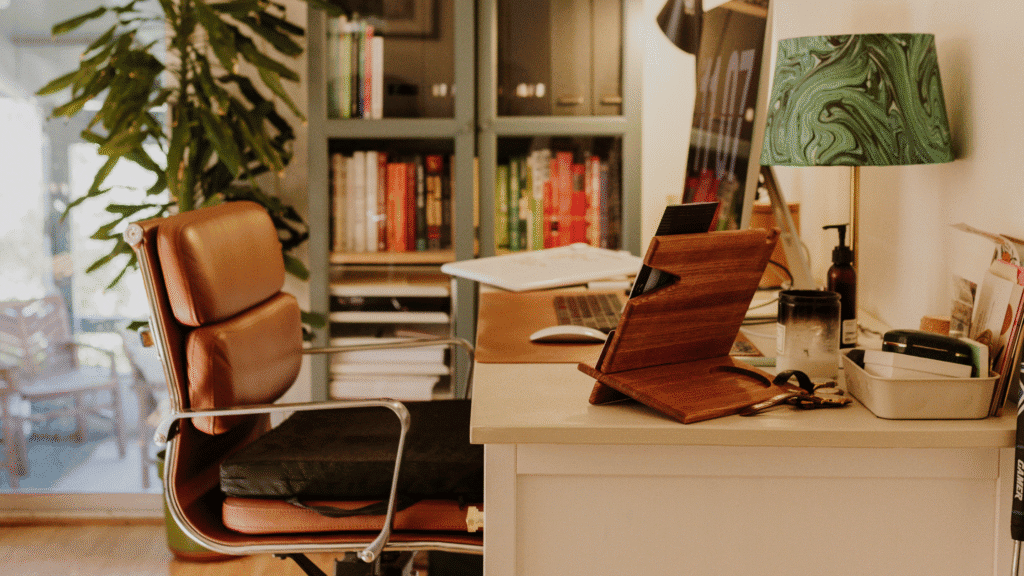
How to create a home office that actually works
With many of us now taking up hybrid roles or working on an entirely remote basis, it’s time t... READ MORE
15 June 2026
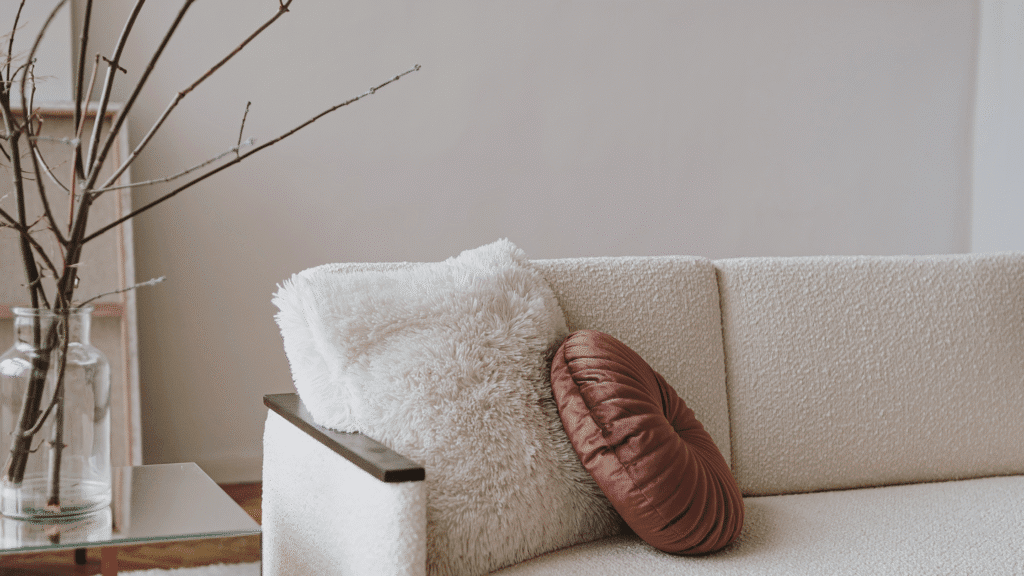
5 summer interior design trends to watch in 2026
Colour-maxxing, midimalism and eclectica – these are just a few of summer interior design trends to ... READ MORE
11 June 2026
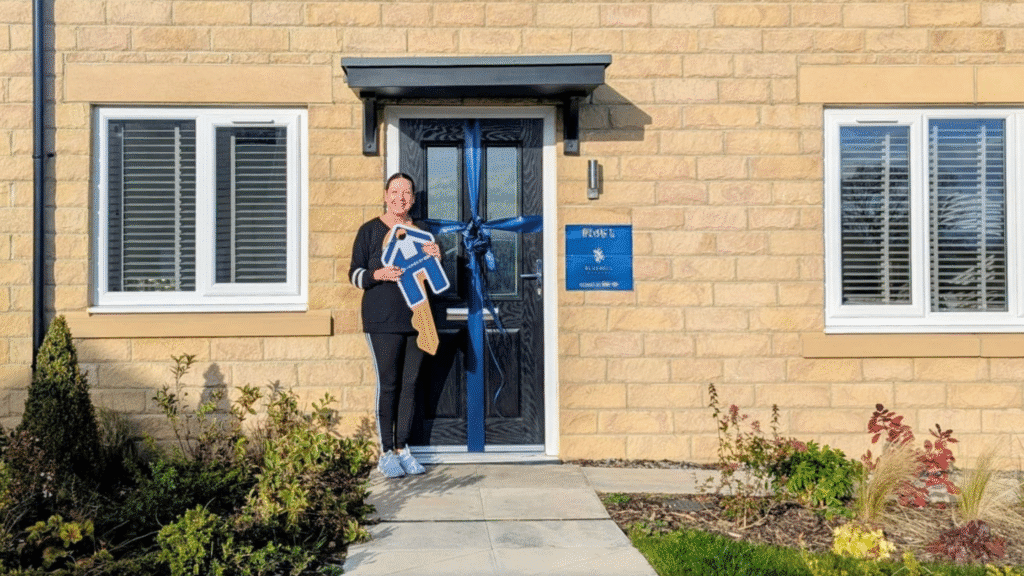
‘’Our energy bills have gone down by half!’’ A window into life at Bluebell Gardens in Trimdon Village
We sat down with new homeowner, Angela Williams, to find out how she is enjoying life in her new Jun... READ MORE
02 June 2026

How to celebrate the Summer Solstice in the North East
Sunday 21st June marks the official start of the astronomical summer season. Here are some ways to c... READ MORE
14 May 2026

The science behind nesting season: why spring triggers the urge to move home
With brighter and longer days, it’s no wonder that spring triggers the need to move home and s... READ MORE

Follow Us Online
Find us on Facebook, Instagram, LinkedIn and TikTok to keep up with all our exciting developments.





Get In Touch With Us
Our Newsletter
Sign up to our mailing list to receive up-to-date news on all of our featured sites, homes, deals and news.