
 »
»
The importance of texture in your interior design
16 November 2022
Variety applies to more than just shades and hues. Good houses need both colour and texture.
When decorating a space, our minds tend to go immediately to colour. The tones we choose shape the entire mood and atmosphere of the space, informing all our other choices such as wall art, furnishings and accessories.
But while colour is undoubtedly important, it’s not the only important factor involved in interior design. Texture is arguably equally important when it comes to determining the look and feel of your living space.
While colours give you an immediate sense of roominess, textures provide the depth that encourages continued interest and enjoyment. But how do you know whether you’re using texture to its full potential in your home?
Don’t worry, we’re here to help. Here are our top tips for boosting the impact of good textures on your interior design.
Mix it up
The magic of texture comes when you start using multiple textiles within a single space. Different elements work together to create an overall ambience, whether it’s wood tones, stone, mohair silk or a velvet.
When pairing textures together, contrast is key. Plush soft furnishings work well against hardwood floors as a way to bring depth and interest to a space.
Blend fashion and function
Blending textures doesn’t have to exclusively be about making an impact and creating a look. The great thing about texture is that you can create exciting spaces while still being practical in your decision making. For example, you may want to stick to hypoallergenic materials in the bedroom, but there are plenty of natural materials with great texture that possess hypoallergenic benefits. And you can always punctuate a space with smaller contrasting elements without sacrificing the functional benefits.
Plan for the impact of light
Remember that light impacts contrasting textures differently, so having a mixture in a space will create a real sense of visual variety as well as different tactile feels.
You get a completely different vibe from light hitting mohair or raw silk compared to cotton. Sunlight on stone or wood can expose the natural knots and movements of these materials, while metallics bounce light back out into the room and make the whole space feel bigger and brighter.
Complement the architecture
Don’t go against the grain when it comes to the natural bones of your home. Use texture to complement your architecture rather than fighting against it. If there’s a lot of moulding, for example, play off it. You can paint the wall itself matt and the moulding with a gloss finish to create a powerful juxtaposition on the same wall — one which will become even more powerful when the light hits it.
Hide imperfections
If the texture of your walls isn’t as smooth as you would like, texture can be your saviour. Wallpaper allows you to hide a multitude of sins, with textural, woven and raw designs available across a spectrum of hues.
If you’d rather stick to paint however, there are still options available. Dead-flat paint will show fewer imperfections, so if you don’t have the budget to create brand new walls, a brand new paint is the next best thing.
In short, don’t be afraid to take risks and enjoy yourself when it comes to texture, all while keeping functionality in mind.
Looking to make the North East your home? Explore our stunning developments today and find your dream property with Homes by Esh. Book an appointment to come and see our team by using our online booking calendar right here.
Latest News
01 October 2026
Making it easier to buy ‘Your First Home’ with Homes by Esh
Dreaming of owning your first home? A new government scheme has now been announced that could make g... READ MORE
01 September 2026
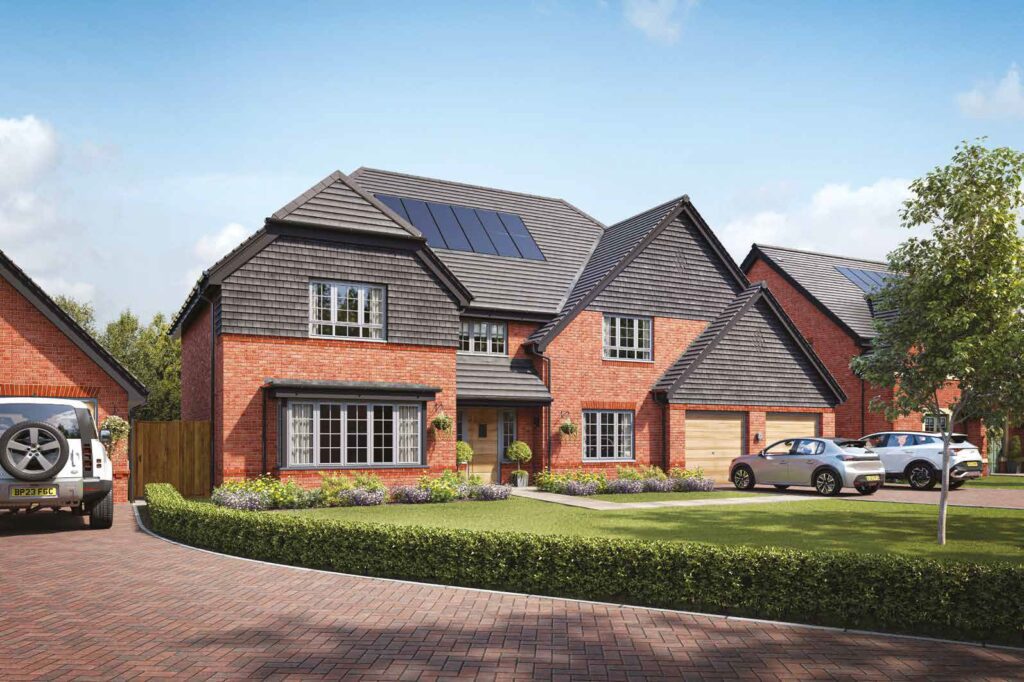
Be Among the First to Explore The Franklin at Havelock Park
You’re invited to the brand-new Franklin viewhome at our exclusive VIP event on Saturday, 5th ... READ MORE
28 July 2026

How much can you actually save with solar panels
With energy prices rising in recent times (and more predicted for the winter ahead), many homeowners... READ MORE
15 July 2026
How to create a home office that actually works
With many of us now taking up hybrid roles or working on an entirely remote basis, it’s time t... READ MORE
15 June 2026
5 summer interior design trends to watch in 2026
Colour-maxxing, midimalism and eclectica – these are just a few of summer interior design trends to ... READ MORE
11 June 2026
‘’Our energy bills have gone down by half!’’ A window into life at Bluebell Gardens in Trimdon Village
We sat down with new homeowner, Angela Williams, to find out how she is enjoying life in her new Jun... READ MORE

Follow Us Online
Find us on Facebook, Instagram, LinkedIn and TikTok to keep up with all our exciting developments.





Get In Touch With Us
Our Newsletter
Sign up to our mailing list to receive up-to-date news on all of our featured sites, homes, deals and news.